by Jenny Reid
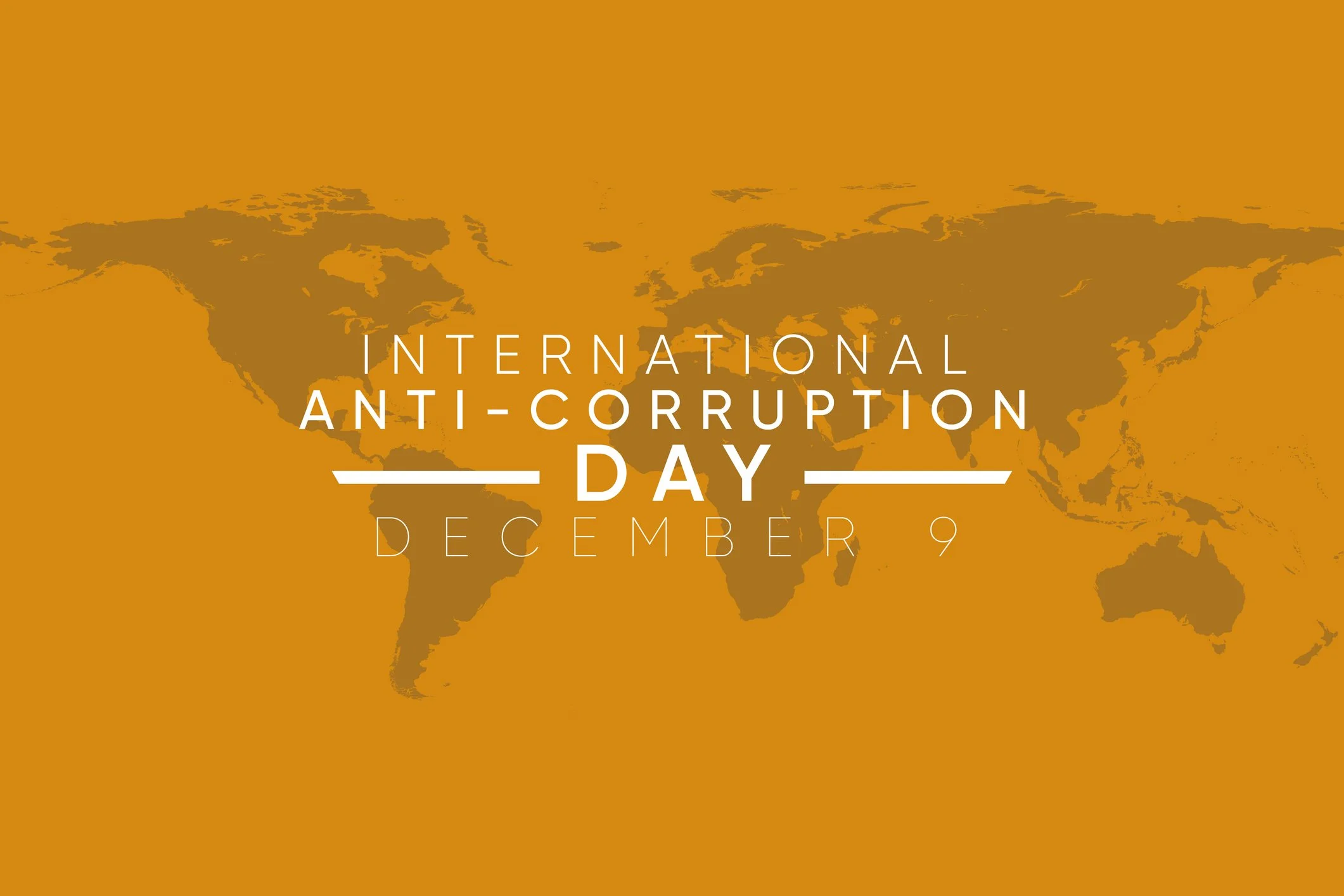
Every year on December 9, the world observes International Anti-Corruption Day, a day dedicated to raising awareness about corruption and its adverse effects on society, governance, and the economy. Corruption remains a pervasive problem that undermines democratic institutions, slows economic development, and contributes to governmental instability. In South Africa, the fight against corruption is particularly pertinent, especially in the wake of numerous high-profile scandals.
A critical area of focus in this battle is the workplace, where corruption can manifest in many forms, including bribery, fraud, and unethical behaviour. To counter these threats, companies can leverage pre-employment screening, ongoing employee monitoring, and lifestyle audits tailored to identify and mitigate risks.
Corruption in the workplace can take many forms, from employees manipulating expenses and inflating invoices to more sophisticated schemes involving collusion with external vendors. The impact of workplace corruption can be devastating, leading to financial losses, damage to organisational reputation, and decreased employee morale.
A recent study found that internal fraud accounts for a significant share of financial losses in organisations, underscoring the need for proactive measures to combat these risks.
Companies must take a holistic approach to fighting corruption, beginning with understanding the potential vulnerabilities within their workforce. Employees with unchecked financial habits, poor ethical standards, or questionable backgrounds pose a greater risk of internal fraud. As such, businesses need to establish strong screening processes and continuous monitoring systems.
Pre-employment screening is an essential step in the recruitment process, enabling organisations to thoroughly vet candidates before extending job offers. This practice serves as the first line of defence against corruption by ensuring that only individuals with the highest integrity and suitability for the position are brought into the organisation.
Comprehensive pre-employment screening includes CV verification checks that examine a candidate's criminal history, credit rating, work history, integrity and professional qualifications. Organisations can gain valuable insights into a candidate's character and reliability by scrutinising these aspects.
Additionally, pre-employment screening can help organisations identify potential red flags, such as unexplained gaps in employment history or discrepancies in academic qualifications. By making informed hiring decisions based on thorough assessments, companies can minimise the risk of hiring individuals who may engage in corrupt practices.
In the fight against corruption, pre-employment screening is just the beginning. Ongoing employee monitoring is equally essential to ensure that individuals continue to meet the organisation's ethical standards throughout their employment. Regular screening helps identify concerns that may arise during an employee's tenure, such as changes in financial behaviour or personal circumstances that could signal corruption risk.
Ongoing screening can include periodic credit checks, criminal background checks, and performance evaluations. Many companies choose to integrate these practices into their human resources processes, providing a continuous means of assessing employee integrity. By openly communicating the need for ongoing monitoring, organisations can foster a culture of accountability and trust while discouraging dishonest behaviour.
Building on pre-employment screening and ongoing monitoring, lifestyle audits offer a tailored approach to reducing exposure to corruption and internal fraud. While some may view lifestyle audits as invasive or overly rigorous, customised audits can be designed to meet the unique needs of each organisation, providing a nuanced risk-management strategy without overreaching.
Lifestyle audits aim to assess an employee's financial behaviour and lifestyle choices against their declared income and job role. By analysing discrepancies between an employee's lifestyle and their financial disclosures, organisations can identify potential corruption or fraud issues. For instance, an employee living beyond their means or making large purchases without an appropriate financial history may warrant further investigation.
Additionally, social media risk assessments can play a vital role in lifestyle audits. These assessments evaluate an employee's online presence across various social media platforms, providing insight into their personal conduct and potential risks. Uncovering information from social media can highlight behaviours that may suggest ethical concerns, such as:
Financial Discrepancies: Posts that showcase extravagant lifestyles, expensive purchases, or luxurious vacations may not align with an employee's declared income.
Unprofessional Conduct: Inappropriate or reckless behaviour on social media can reflect poorly on the employee and the organisation, suggesting a lack of judgement or professionalism.
Connections to Unscrupulous Individuals: If an employee is associated with known problematic individuals or networks, this could raise concerns about corruption or illegal activities.
Attitude Towards Company Policies: Posts expressing dissatisfaction with work policies or showcasing unethical behaviour can indicate underlying issues that merit further investigation.
Customisable audits can also cover various criteria, allowing companies to focus on specific risk areas relevant to their operations. This can include examining an employee's expenditure patterns, monitoring asset acquisition, reviewing compliance with company policies, and even assessing social media activity to provide a more complete picture of the employee's integrity.

Jenny Reid is a Human Risk Expert and Professional Speaker, and the owner of iFacts based in South Africa, a specialist employee screening and vetting service. She is constantly assessing new and innovative ways to remove the people risk in any organisation. Since 2009 when she took over iFacts completely, she has seen the company double in size and hopes to continue this growth. iFacts specializes in employee Screening, risk assessments, employee wellness, investigations, and truth verification. Jenny is a past President of the Security Association of South Africa. Contact Jenni via email jenny@ifacts.co.za
Read more articles by Jenny



Every year on December 9, the world observes International Anti-Corruption Day, a day dedicated to raising awareness about corruption and its adverse effects on society, governance, and the economy. Corruption remains a pervasive problem that undermines democratic institutions, slows economic development, and contributes to governmental instability. In South Africa, the fight against corruption is particularly pertinent, especially in the wake of numerous high-profile scandals.