WSME Investment Roundtable | The Hague
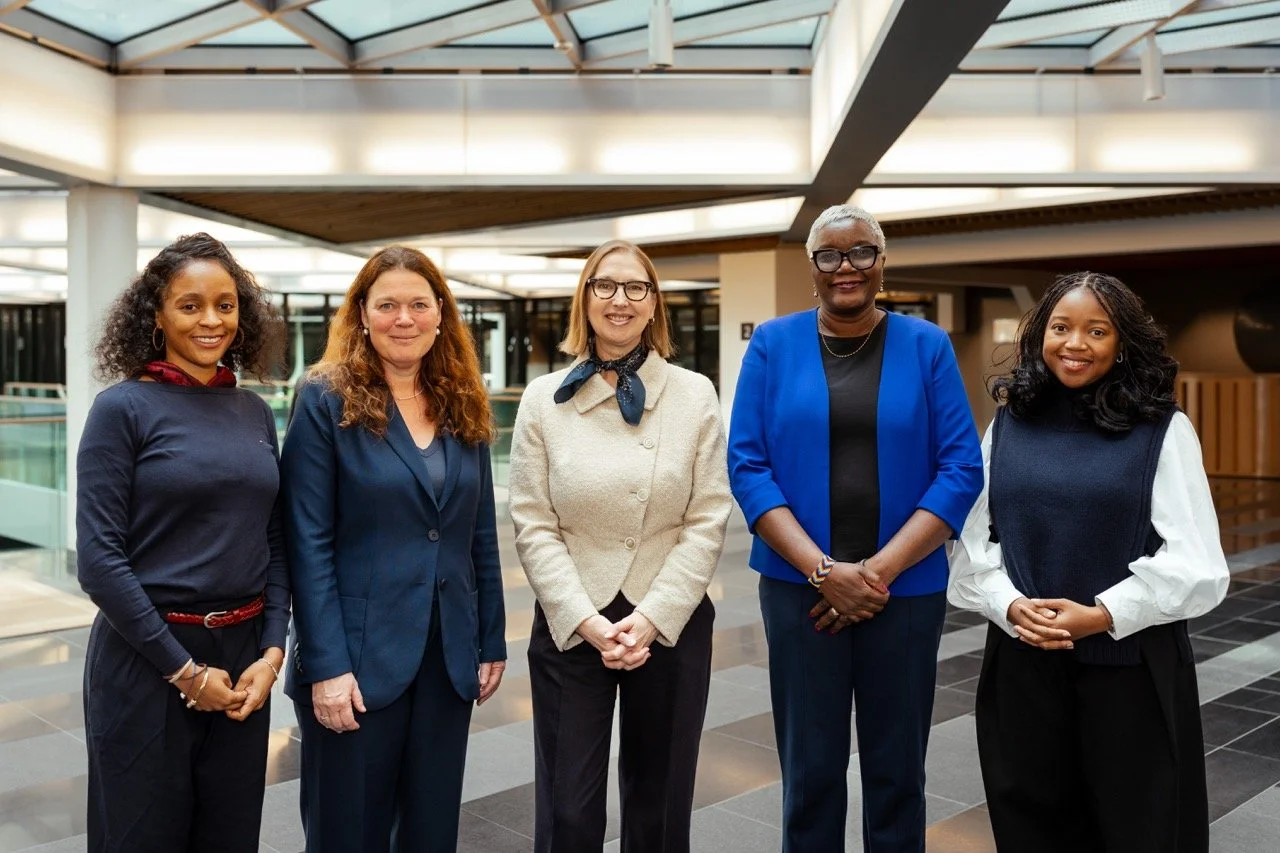
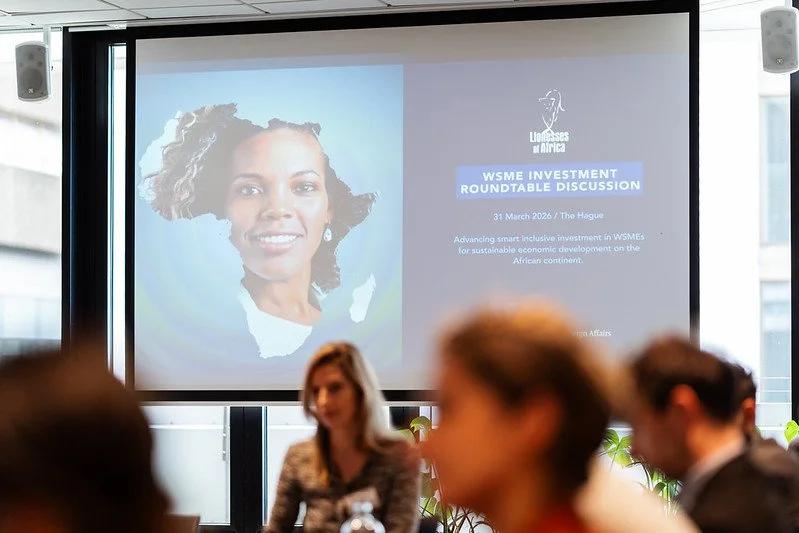
On 31 March 2026, Lionesses of Africa convened the Start-Up Night Africa WSME Investment Roundtable in The Hague, co-hosted by the Ministry of Foreign Affairs of the Kingdom of the Netherlands. The gathering set out to examine one of the most pressing questions in African enterprise development today: what will it take to unlock smarter, more inclusive investment for women-led small and medium enterprises?
The roundtable was not intended as a ceremonial event, but rather as a working session focused on practical outcomes. It brought together policymakers, investors, funders, ecosystem builders, and women entrepreneurs to explore ways to increase investment flows into women-led businesses, reduce persistent barriers to finance, and identify scalable solutions. Contributions from the African Development Bank and its AFAWA (Affirmative Finance Action for Women in Africa) initiative added important insights, particularly around what is already working, where progress is being made, and where significant gaps remain.
In opening the session, Melanie Hawken, founder and CEO of Lionesses of Africa, emphasized the urgency of the conversation. Drawing on the organisation’s network of nearly two million women entrepreneurs across the continent, she highlighted both the extraordinary ambition and innovation present, and the ongoing disconnect between business potential and access to capital. This gap, she noted, is not only a gender issue, but also a broader economic growth and development challenge—one that represents a significant missed opportunity.
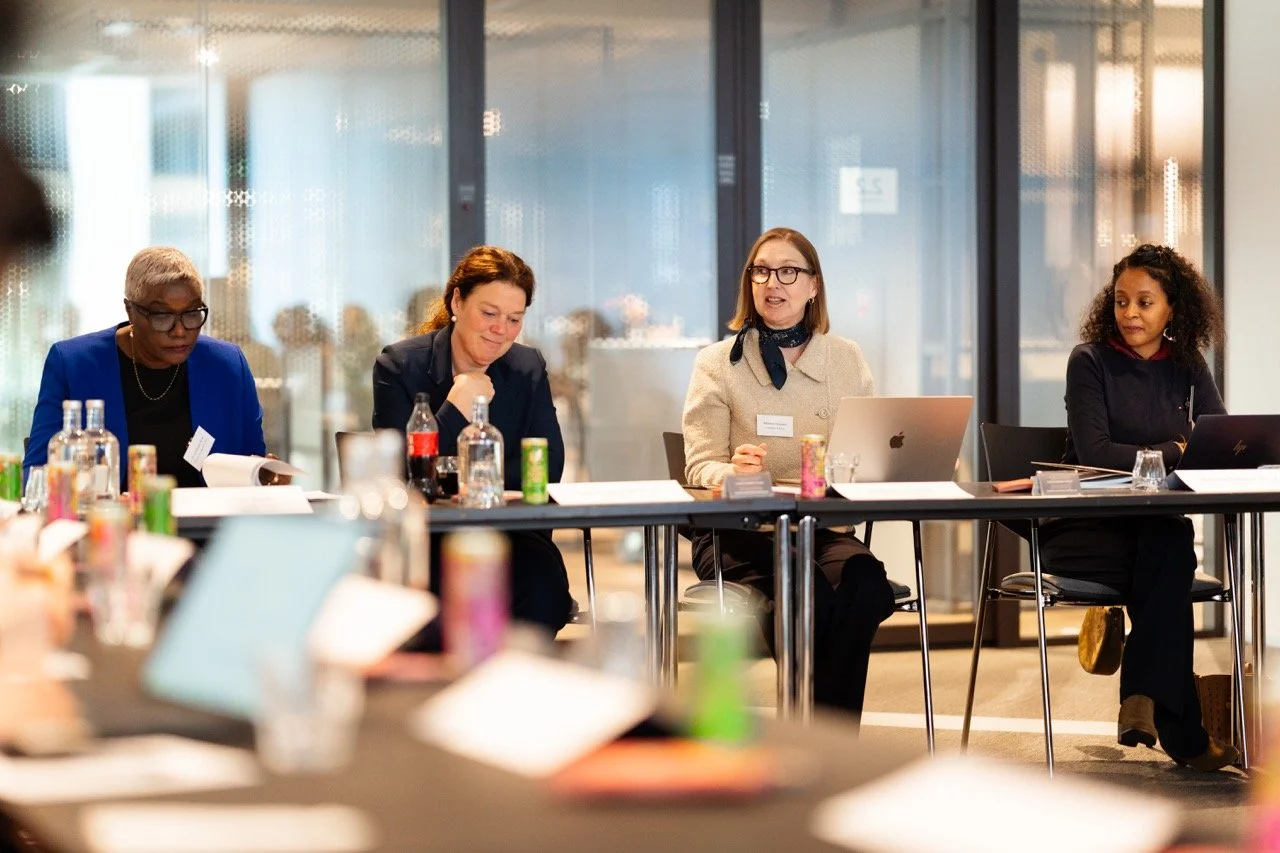
The roundtable also benefited from scene-setting remarks by Pascalle Grotenhuis, Director-General for International Cooperation at the Ministry of Foreign Affairs of the Kingdom of the Netherlands. Her contribution reinforced the view that investing in women entrepreneurs is not a peripheral concern, but a matter of smart economics with far-reaching implications for growth, resilience, and sustainable development.
Several key themes emerged during the discussion.
Firstly, participants agreed that the current financial landscape does not adequately serve the realities of women-led enterprises. Much of the existing finance architecture remains poorly aligned with the needs of these businesses. Many enterprises are deemed too small for mainstream investors, while funding models often rely on assumptions that do not reflect how women founders build and grow their businesses. The challenge, therefore, is not a lack of viable enterprises, but a mismatch between available capital and real entrepreneurial demand.
Secondly, the discussion underscored that access to finance cannot be addressed in isolation. Women entrepreneurs require more than capital—they need greater visibility of available financing options, stronger support to become investment-ready, and improved access to markets and procurement opportunities. Market access and finance are closely interconnected; businesses that can secure customers and contracts are far better positioned to attract and effectively utilise investment.
Thirdly, transparency within the funding ecosystem remains a significant challenge. Many women entrepreneurs spend considerable time navigating fragmented and often opaque funding landscapes. There was strong consensus that clearer information flows, better signposting of funding opportunities, and more practical support in navigating the system would significantly improve outcomes.
Another critical theme was the importance of tailored capital. Participants widely acknowledged that one-size-fits-all financing approaches are ineffective. Different sectors, growth stages, and business models require different types of financial instruments. The discussion highlighted the need for a broader range of solutions, including early-stage grants, working capital, guarantees, blended finance, supply chain finance, leasing, and phased funding structures. The focus, therefore, should not only be on mobilising more capital, but on ensuring that the right forms of capital reach the right businesses at the right time.
The importance of data also featured prominently. Evidence shared from the Lionesses of Africa network confirmed that the pipeline of women-led businesses across the continent is both real and diverse, spanning sectors such as agritech, health, education, and climate-related industries. Despite this, the funding gap remains substantial. The issue is not a shortage of entrepreneurial talent, but rather the inability of capital systems to respond at sufficient scale and with adequate flexibility.
Encouragingly, the tone of the discussion remained constructive and forward-looking. Rather than focusing solely on barriers, participants engaged in identifying practical solutions, exploring partnership opportunities, and considering the shifts required to improve outcomes.
For Lionesses of Africa, one clear takeaway was the importance of convening. Bringing together diverse stakeholders—many of whom do not typically engage directly—created space for more grounded, solution-oriented dialogue. It reinforced the idea that meaningful progress depends on stronger alignment between policy frameworks, capital providers, technical support systems, and market access opportunities.
The roundtable confirmed that momentum is building. There is increasing recognition of the central role women-led enterprises play in Africa’s economic future, alongside growing institutional willingness to engage and support this agenda. However, momentum alone is not sufficient. It must now be translated into clearer pathways, more appropriate financial products, stronger partnerships, and measurable action.
Looking ahead, Lionesses of Africa intends to build on the discussions held in The Hague through continued engagement with stakeholders. The focus will be on fostering practical collaboration, strengthening investment pathways for women-led enterprises, and ensuring that the voices and experiences of African women entrepreneurs remain central to shaping the solutions designed to support them.
The conversation in The Hague marked an important step forward.
What matters now is what follows.